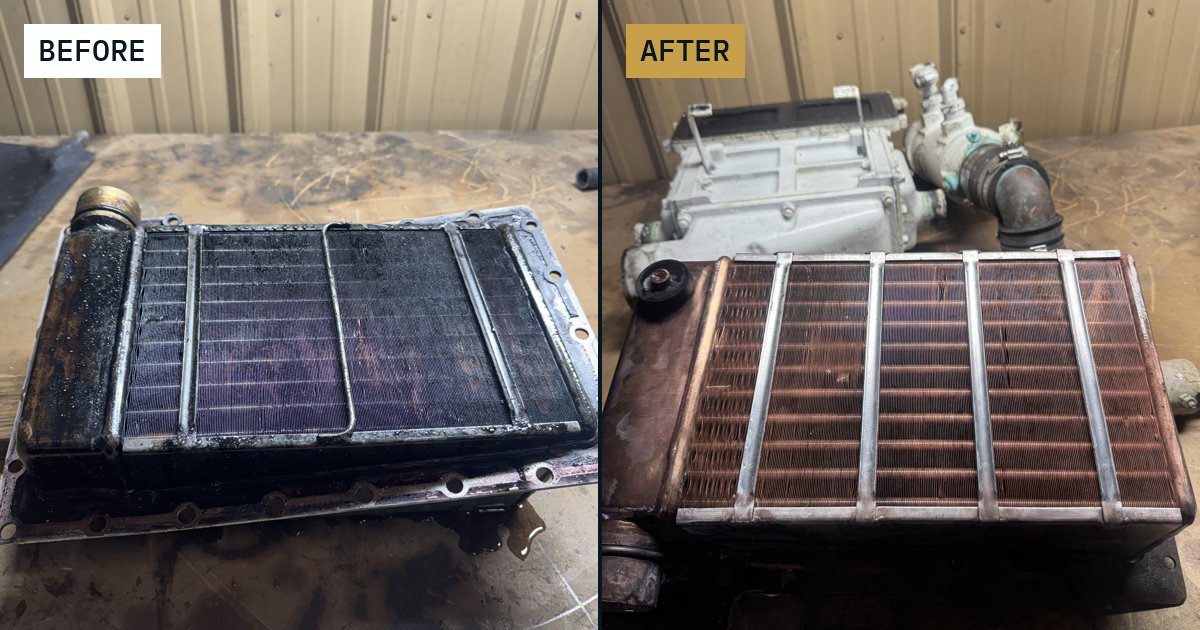
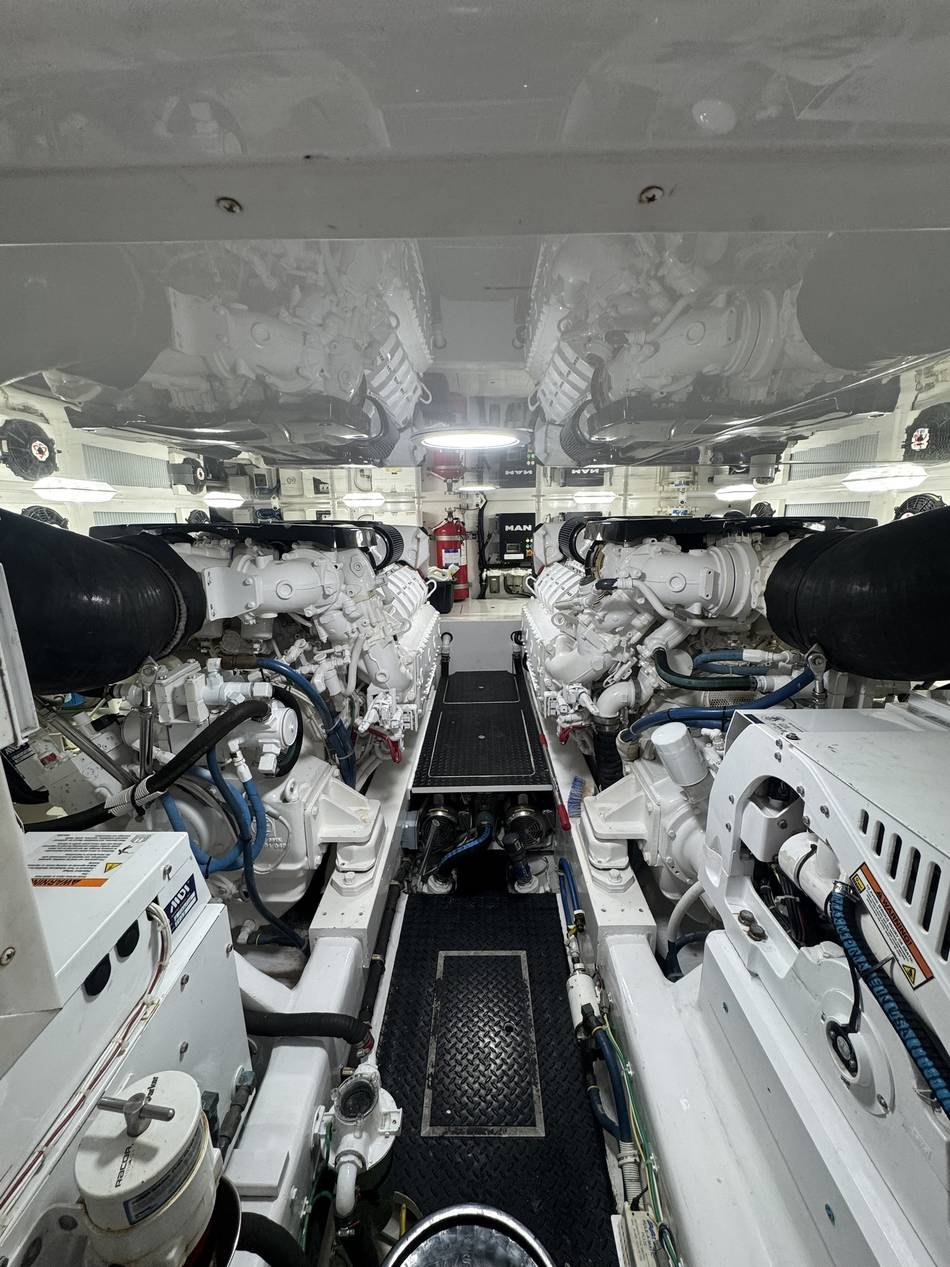
Volvo Penta’s IPS puts electronic steering, hydraulic clutch engagement and forward-facing counter-rotating propellers into one package. It handles beautifully. Diagnosing one well, though, means understanding how the electronic, hydraulic and mechanical sides depend on each other.
A drive that hesitates before it engages, makes new noises, or drops propulsion now and then is giving you information. A fault code is one piece of it. Replacing parts on the strength of a code alone is how a four-figure hydraulic problem turns into a five-figure drive replacement.
How the IPS hydraulic system works
An IPS drive has its own internal hydraulic circuit, which does two jobs: it engages the clutches and it lubricates the drive. Depending on the drive generation, that circuit includes a mechanically driven oil pump, pressure regulation, electronically controlled valves, filtration and internal oil passages.
When the operator moves the lever, the control system turns that request into a valve command, and the hydraulic circuit has to answer it with pressure. If it can’t build or hold enough pressure, you get delayed engagement, clutch slip, or a drive that won’t transmit full engine torque.
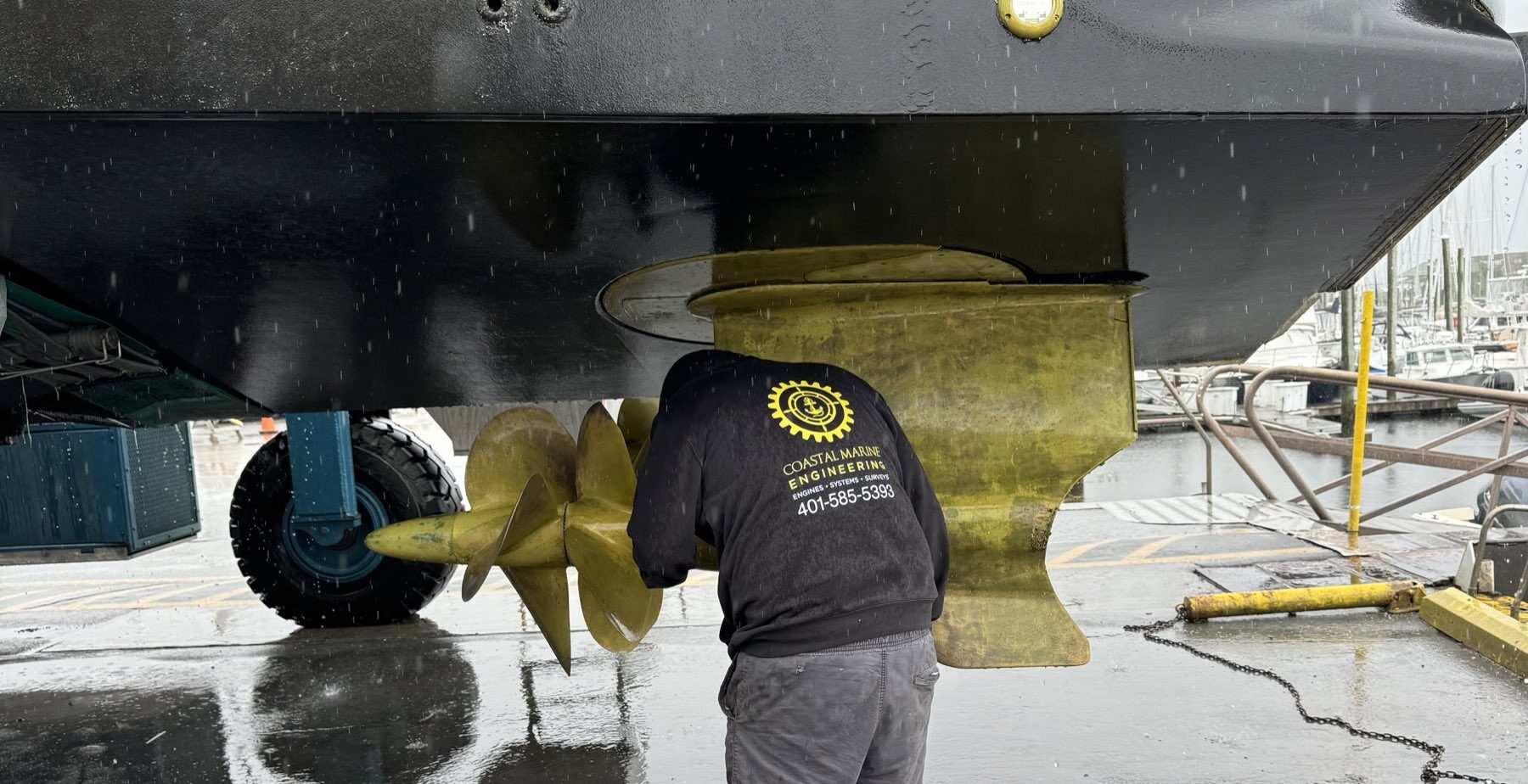
Spec check
Hydraulic pressure specifications and test procedures differ between IPS drive models and serial ranges. We evaluate every reading against the Volvo Penta documentation for that exact drive, never against a number remembered from the last boat.
Symptoms worth paying attention to
- Delayed engagement shifting into forward or reverse
- Engine RPM climbing without the boat accelerating to match
- Clunks, grinding or new noises on engagement
- Intermittent loss of propulsion
- Vibration under load that wasn’t there before
- Metallic debris found during a drive oil service
- Hydraulic pressure that sags too far on engagement, or recovers slowly
None of these automatically means the drive needs to be replaced. Hydraulic, mechanical and electronic faults can all look much the same from the helm, which is why the order you test things in matters.
Hydraulic pressure loss: where to look
One of the most useful tests is simply watching hydraulic pressure across several operating states: at startup, in neutral, as a clutch is commanded to engage, and under the manufacturer’s test conditions. A drive can make healthy pressure in neutral and still fall short the moment a clutch asks for oil. That gap is the clue.
Hydraulic pump wear
A worn pump loses flow and pressure, and often gets worse as the oil heats up. It’s common for a drive to behave cold and complain once it has been running a while.
Internal leakage
Worn seals, clutch piston leakage or damaged internal parts let pressurized oil escape inside the drive, so the pump can’t keep up with demand.
Pressure regulation faults
A sticking regulator or relief valve can stop the circuit from holding operating pressure even when the pump is healthy.
Oil supply problems
Restricted filtration, the wrong oil level or aerated oil all starve the pump before it ever has a chance to make pressure.
Control valve malfunction
The valve can receive the correct electrical command and still fail to produce the hydraulic response. Electrically it looks fine, but hydraulically it isn’t working.
Engineering view · why pressure sags when the oil gets hot
The pump in an IPS drive is positive-displacement: it moves a fixed volume of oil per revolution. Pressure isn’t something the pump “makes”. It’s what develops when that flow meets the restriction and leakage downstream. So the question is always where the oil is going.
Leakage past a clutch piston, valve spool or seal land behaves like laminar flow through a thin annular gap:
D = diameter · c = radial clearance · ΔP = pressure across the gap · μ = oil viscosity · L = seal land length
Two terms explain most of what we see in the field. Leakage grows with the cube of clearance, so wear that doubles a clearance lets roughly eight times the oil through. And leakage is inversely proportional to viscosity, which drops several-fold as gear oil goes from cold to operating temperature.
Put those together and you get a signature: a worn drive engages fine cold and at higher RPM (high viscosity, lots of pump flow), then gets lazy hot at idle (thin oil, least pump flow). That points at internal leakage or pump wear, not at a solenoid. Recording pressure against oil temperature and RPM turns that from a hunch into a diagnosis.
That last distinction matters most. An electrical command problem and a hydraulic delivery problem are fixed in completely different ways. Swapping a solenoid without confirming what the hydraulics are doing can leave the real fault in place, and the owner paying twice.
Use the other drive: port vs. starboard
Twin IPS installations come with a built-in reference. When two identical drives run under the same conditions, we compare:
- Neutral hydraulic pressure
- Pressure response during engagement
- Recovery time after engagement
- Oil temperature
- Electrical commands to each drive
- Fault history and operating behavior
A clear difference between two otherwise identical drives narrows the search quickly. It’s context, not a spec, though. A healthy sister drive tells you what “normal” looks like on this boat today. It doesn’t replace the manufacturer’s numbers.
Metal on the drain plug: how worried should you be?
A light coating of fine ferrous paste on a magnetic drain plug isn’t, by itself, evidence of a failing drive. What matters is the size, quantity, appearance and trend of the material.
- Fine paste, consistent service to service: usually consistent with normal wear. Record it and compare next time.
- Flakes, slivers or visible fragments: something is coming apart. Investigate before the drive goes back into service.
- A sudden increase from one service to the next: the trend is the warning, even if the amount still looks small.
We photograph and document what comes out at every drive service, so the next technician (or a surveyor) can see the trend instead of guessing at it.
How we diagnose an IPS drive
- Confirm the exact IPS drive model and serial number.
- Review service history and any previous repairs.
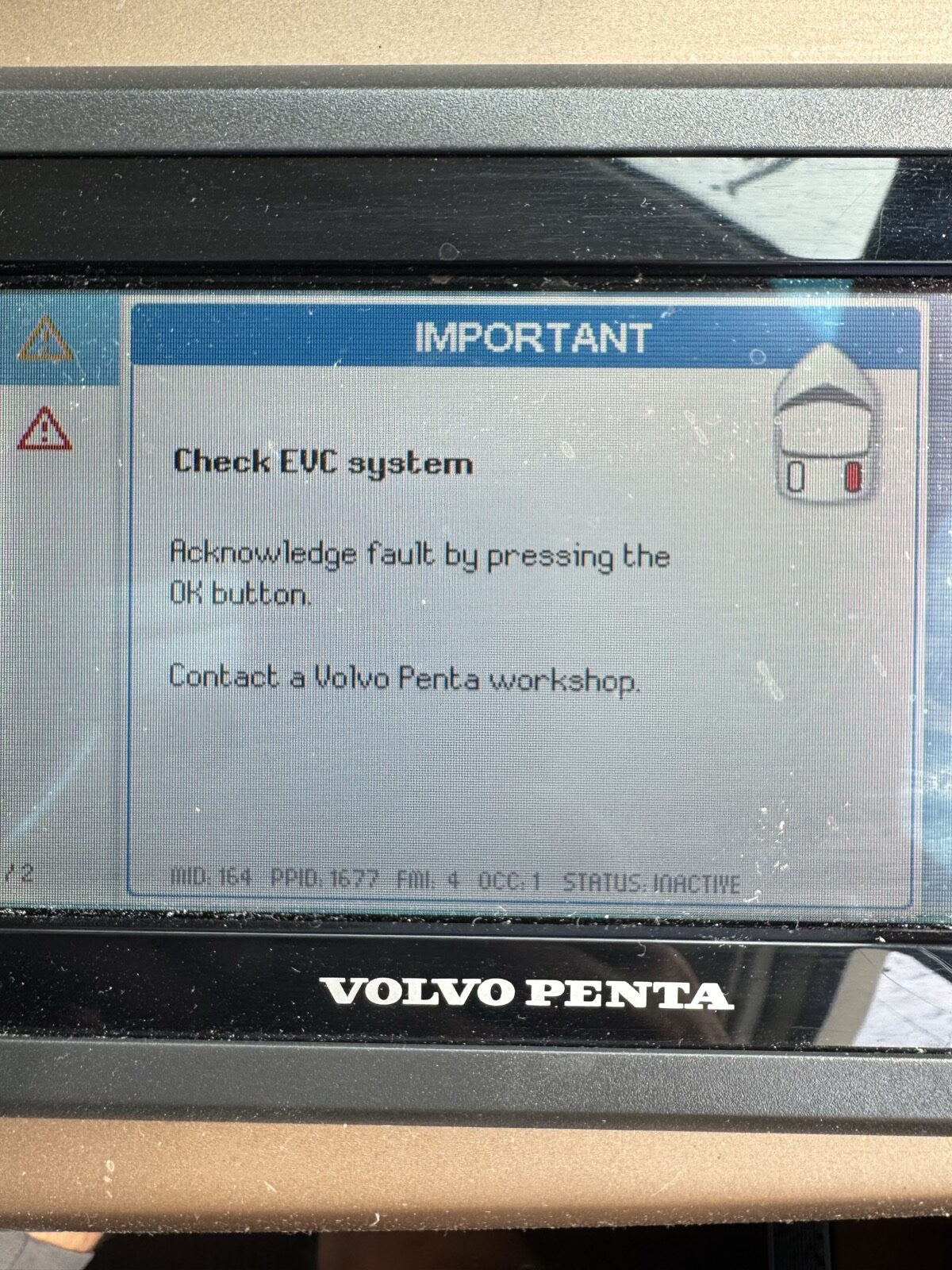
- Pull active and stored fault information with compatible diagnostic equipment.
- Verify the specified oil type, condition and level.
- Inspect electrical connections and control-system operation.
- Measure hydraulic pressure at the manufacturer’s designated test points.
- Watch pressure behavior through the approved engagement tests.
- Compare the findings against the opposite drive, where there is one.
- Isolate pump, regulation, valve or internal leakage as the cause.
- Prove the repair with an operational test before the boat goes back.
Safety
Engagement testing is done to the service manual with everyone well clear of the propellers and rotating drive components. On the hard, that means a controlled test area, not a crowded yard.
Keeping a small IPS problem small
IPS drives reward consistent maintenance. Follow the drive-specific oil and filter schedule, check for external leaks, and treat any change in engagement as something to investigate now rather than at haul-out.
Running on a slipping hydraulic clutch generates heat, and heat accelerates internal wear. An early diagnosis is often the difference between a contained hydraulic repair and a major propulsion job.
From our shop
We service IPS and Zeus pods in the slip, on the mooring and on the hard across Rhode Island and Massachusetts. See what’s included in our IPS & Zeus pod service.
Technical note: IPS hydraulic specifications, diagnostic procedures and component configurations vary by drive generation and serial number. Always consult the applicable Volvo Penta documentation before servicing or repairing a drive.